Headphones
From 65-hour battery workhorses to flagship noise cancellers, these guides compare over-ear and on-ear headphones on the things owners actually report: comfort, real battery life, ANC that works, and honest value at street prices.
Sony WH-1000XM5 vs WH-1000XM6: Worth $150 More?
Sony replaced its flagship and kept the old one on sale, which turns this into a genuine decision rather than a formality. The battery is identical, the codec support is identical, and the price gap is a hundred and fifty dollars — so the whole question is how much the newer cancellation is worth to you.
Read full
Best Headphones Over $200 (2026): Is It Worth It?
This is the tier where the specification sheet stops improving quickly and the price keeps climbing. All four of these are genuinely excellent, which makes the useful question not which is best but whether any of them is worth the gap over a good hundred-dollar pair — and, if so, which one stops the climb at the right point.
Read fullMarshall Major V Review (2026): 100 Hours, No ANC
Most headphones at this price compete on noise cancelling. The Major V does not have any, and instead offers a battery figure roughly four times what expensive cancelling headphones manage. Whether that is a bargain or a mistake depends entirely on where you listen.
Read full
Shokz OpenRun Pro Review (2026): Better Bass, Still Bone
The OpenRun Pro exists for people who have already decided bone conduction is what they want and found the standard model too thin. It addresses that specific complaint. What it cannot do is turn a bone conduction headphone into a conventional one, and the price makes that distinction matter.
Read full
Soundcore Q20i vs Sony WH-CH720N: Worth Double?
These are the two budget noise cancelling headphones most people end up choosing between, and one costs more than twice the other. The expensive one is better in ways that are real and narrower than the price gap implies.
Read full
Sony WH-CH520 vs WH-CH720N: Which Cheap Sony?
These are Sony's two budget headphones and the numbers do not line up the way price suggests: the cheaper one lasts longer on a charge. Three things genuinely separate them, and which matters depends entirely on where you put them on.
Read fullBeats Solo 4 Review (2026): No ANC, From $100
Almost every hundred-dollar headphone in 2026 cancels noise. The Solo 4 does not, and it is not an oversight — Beats spent the budget on battery, comfort and a wired option instead. Whether that is the right trade depends on where you actually listen.
Read full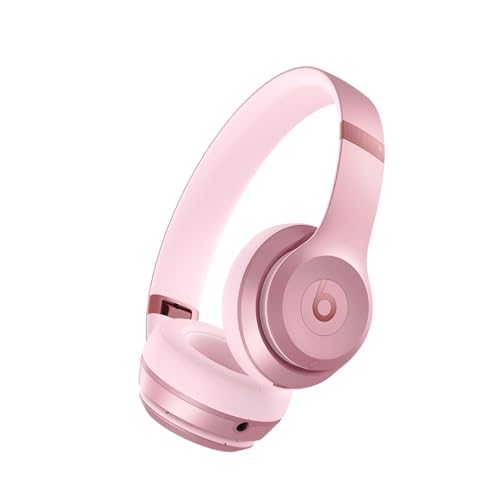
Sony MDR-7506 Review (2026): The Studio Standard
Walk into a recording studio, a broadcast van or an edit suite and you will probably find a pair of MDR-7506s. They have been there since the early nineties, they are not comfortable in the way modern headphones are comfortable, and none of that is an accident.
Read full
Sony WH-CH520 Review (2026): 50 Hours for $45
At thirty-eight dollars the WH-CH520 offers a specification no other established brand matches: roughly fifty hours of battery, multipoint pairing and Sony's app EQ. What it cannot escape is the format, and that is where the decision actually lives.
Read full
Sony WH-CH720N Review (2026): Cheap Sony ANC
The WH-CH720N is the model Sony sells to people who want its noise cancelling without paying flagship money. It succeeds at that, and the interesting question is not whether the cancellation works but where it lands between the forty-dollar headphones below it and the three-hundred-dollar ones above.
Read fullBose QuietComfort Review (2026): $249 to $359
Bose has spent decades making the most comfortable noise cancelling headphones available, and the QuietComfort is still the clearest expression of that. What it is not, in 2026, is a specification leader — and there is one buying trap on the listing page that costs more than any feature it lacks.
Read full
Soundcore Q20i Review (2026): Real ANC Under $50
Most headphones advertising noise cancellation below fifty dollars are selling you a word rather than a function. The Q20i is one of the exceptions, which makes the useful question not whether it works but what Anker left out to get there.
Read full
Skullcandy Crusher Evo Review (2026): Bass You Feel
Almost every hundred-dollar headphone in 2026 has active noise cancellation. The Crusher Evo does not, and that is not an oversight — Skullcandy spent the money on something you feel rather than something you hear. Whether that is a bargain or a mistake depends entirely on what you play.
Read full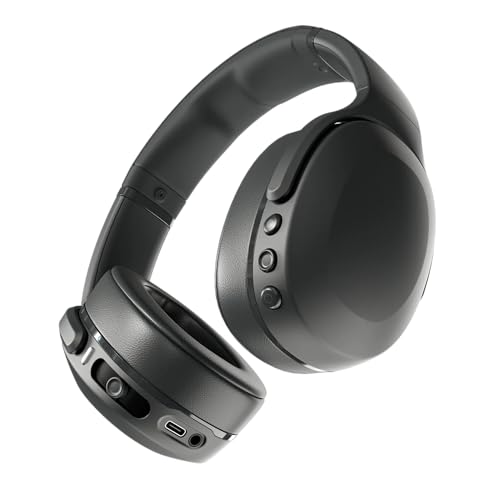
Sennheiser HD 599 vs HD 560S: Which Open-Back?
These two sit fifty dollars apart in the same open-back family, and the more expensive one is not an upgrade. Sennheiser tunes them for opposite jobs, and buying the wrong one means paying more for a headphone that suits you less.
Read full
Best Headphones for Sleeping (2026): Honest Picks
Sleep headphones are flat speakers sewn into a fabric band. Judged as headphones they are poor, and that is the wrong way to judge them — what you are buying is something you can lie on for eight hours, which no normal headphone can offer.
Read full
Best Headphones for Podcasting: Closed-Back Only
Podcasting asks less of headphones than most people assume. There is one requirement that is genuinely non-negotiable, and once you have met it the remaining differences are preferences rather than problems.
Read full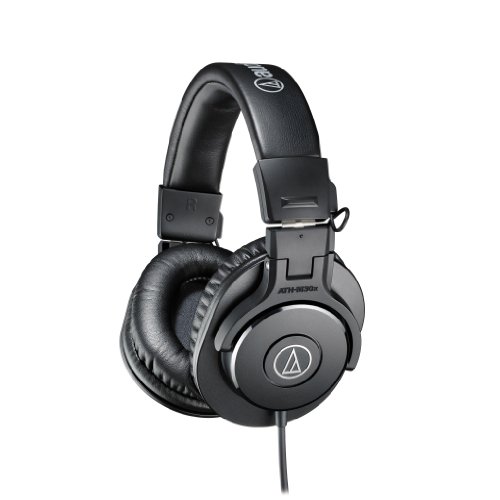
Best Wired Headphones (2026): What to Buy and Why
Wired headphones give you more sound per dollar than anything wireless, because none of the money went into a battery, a radio or a chipset. The catch is that two specifications decide whether the pair you buy works with the gear you own — and neither of them is sound quality.
Read full
Beats Solo 4 vs Studio Pro: Which Should You Buy?
The Solo 4 and Studio Pro look like different tiers of the same idea, and the marketing does nothing to correct that. In practice they share most of their feature list. What they do not share is noise cancelling, and that is most of the decision.
Read full
Shokz OpenRun vs OpenRun Pro: Which One Should Runners Buy?
The OpenRun Pro costs about thirty dollars more than the standard OpenRun and improves it in two obvious ways. It also takes something away that nobody mentions, and for the activity both are named after, what it takes away matters more than what it adds.
Read fullATH-M20x vs M30x: Which Studio Monitor Should You Buy?
The ATH-M20x and ATH-M30x share a driver size, a build and a fixed cable, and sit twenty dollars apart. Audio-Technica describes the difference in one line each — one is tuned for low-frequency weight, the other for detail and midrange — and that is genuinely the whole decision.
Read full