Shokz OpenSwim Pro Review: Music Underwater, For Real
Affiliate disclosure: this article contains Amazon affiliate links. If you buy through them, we may earn a commission at no extra cost to you. This never affects how we rank products — see how we review.
Comparison Table
| # | Product | Our Score | Price | Buy |
|---|---|---|---|---|
| 1 | SHOKZ OpenSwim Pro - Open-Ear Bluetooth & MP3 Bone Conduction Sport Headphones, Swimming Headphones, IP68 Waterproof, Grey Best Overall | 8/10 | $229.95 | Check Price on Amazon |
Prices as of September 16, 2026 — check Amazon for the latest price and availability.
Top Picks for You
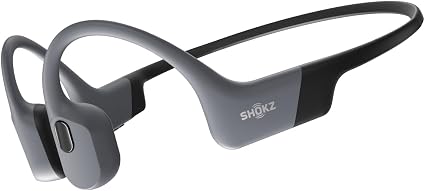
SHOKZ OpenSwim Pro - Open-Ear Bluetooth & MP3 Bone Conduction Sport Headphones, Swimming Headphones, IP68 Waterproof, Grey
The OpenSwim Pro is the only Shokz model built to be used underwater, and that single capability is the whole reason to consider it. It carries onboard storage for music files, because Bluetooth barely transmits through water — a detail most "waterproof" audio products quietly omit. Its water rating covers submersion rather than splashes, and the bone-conduction design leaves the ears entirely free, which matters when swimming. On land it works as an ordinary Shokz: awareness-first, thin on bass, comfortable for hours. It is also the most expensive product in the range by a wide margin, and paying that premium makes sense only if you actually swim. For running and gym use, the cheaper models in the line do the same job.
Price as of September 16, 2026 — check Amazon for the latest price.
The Short Version
Buy it if you swim and want music while you do it. It stores music onboard and plays it underwater — the only reliable way to do this, and exactly what it's built for.
Don't buy it as your everyday headphone. Bone conduction and a $230 price make it a specialist, not a daily driver. For land listening it's fine; it's not where the money goes.
This is the answer to a question our other reviews couldn't give. Where the JBL Endurance Peak 3 survives water but can't stream music underwater, the OpenSwim Pro carries the music with it.
Why It Solves the Problem Nothing Else Does
32GB of onboard MP3 storage, and Shokz says the quiet part out loud: "Bluetooth does NOT work underwater."
That sentence is on the listing itself, and it's the whole reason this product exists. Every "waterproof" earbud on the market survives being submerged but goes silent the moment your ear drops below the surface, because Bluetooth radio does not transmit through water. There is no firmware update or higher IP rating that changes that — it's physics.
The OpenSwim Pro sidesteps it entirely. You load music files onto its 32GB of internal storage over a cable, switch to MP3 mode, and the music plays from the headphone itself — no phone, no Bluetooth, no signal to lose underwater. That is the only reliable way to listen to music while actually swimming laps, and it's what our best sports headphones guide points swimmers toward.
It also has Bluetooth — for land only. On dry ground you can stream from your phone like any normal headphone. The moment you get in the water, you switch to MP3 mode. Shokz is refreshingly direct that these are two separate modes for two separate environments.
Built to Actually Be Submerged
IP68 with a triple-sealed design: submersible to two metres for two hours.
This is a genuine swimming rating, not sweat resistance dressed up. Two metres covers pool depth, and two hours covers any realistic session. It's bone conduction and open-ear, so it works with swim caps and goggles rather than fighting them, and the same fit suits cycling helmets and sunglasses on land.
Nine hours of battery, with a 10-minute quick charge for about three hours — enough that charging is never the thing that ends a swim.
The Sound Is Bone Conduction, With All That Implies
Open-ear bone conduction transmits sound through your cheekbones rather than into your ear canal.
The upside is awareness and comfort — nothing is plugged into or covering your ears, which is why it's safe and comfortable for open-water swimming and cycling. The downside is fidelity: bone conduction delivers thinner bass than any in-ear or over-ear design, and it always has. Underwater, where a swim cap presses the units against your head, it actually performs better than in open air.
Do not buy this for critical listening. It's for keeping you company through a swim or a ride, not for appreciating music. Judge it as swimming equipment that plays audio, which is exactly how Shokz positions it.
What $230 Does Not Change
The price is high, and it buys a narrow specialism. If you don't swim, almost every one of the reasons to own this disappears, and cheaper Shokz open-ear models cover land-only use for much less — our best open-ear headphones guide ranks those.
You load music manually for swimming. MP3 mode means transferring files, not streaming a playlist — a small friction that comes with the territory of not relying on a phone.
Bone conduction fidelity is the format's ceiling. No amount of engineering makes it sound like a sealed earbud, and it isn't meant to.
FAQ
Can you really listen to music while swimming with the OpenSwim Pro? Yes — that's its entire purpose. It stores music on 32GB of internal memory and plays it in MP3 mode, which works underwater because it doesn't rely on Bluetooth.
Why can't a normal waterproof earbud do this? Bluetooth radio does not travel through water, at any IP rating. A waterproof earbud survives being submerged but loses its signal the instant your ear goes under. The OpenSwim Pro avoids the problem by carrying the music onboard.
Does it have Bluetooth? Yes, for land use — you can stream from your phone on dry ground. Underwater you switch to MP3 mode. Shokz states plainly that Bluetooth does not work underwater.
How waterproof is it? IP68 with a triple seal — submersible to two metres for two hours, which covers real swimming.
How is the sound quality? It's bone conduction: comfortable and aware, but thinner on bass than in-ear or over-ear headphones. It's swimming equipment that plays audio, not a critical-listening headphone.
How long does the battery last? Up to nine hours, with a 10-minute quick charge giving about three hours.
Is it worth $230? If you swim regularly and want music while you do it, it's the reliable answer and worth it. If you don't swim, it isn't — cheaper open-ear models cover land use.
The Verdict
Our score: 8.0/10. The Shokz OpenSwim Pro is the rare product that solves a problem this site has twice had to tell readers is unsolvable with ordinary gear: listening to music while actually swimming. It does it the only way that works — 32GB of onboard storage and an MP3 mode that needs no Bluetooth underwater — wrapped in a genuine IP68 submersible design with a fit built for the pool.
Its limits are the honest ones of a specialist: bone-conduction sound that trades fidelity for awareness, a manual-transfer workflow for your swimming music, and a $230 price that only makes sense if you swim. If you do, nothing else on this site does this job. If you don't, our best sports headphones guide covers the land-based alternatives that cost far less.
Written by
HeadsetAtlas Editorial TeamOur recommendations are research-driven: we analyze technical specifications, aggregate thousands of verified user reviews, and cross-reference expert sources to score every product. Read our full review methodology →